LPHYS'26. Plenary Speakers:
Generation of Terahertz Pulses by Laser-Plasma Interactions: From Microjoule to Joule-Class Energy
-
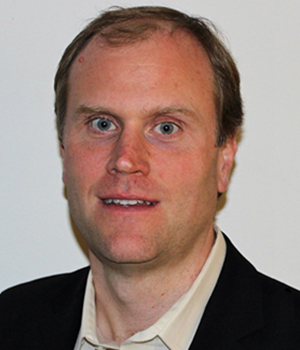
Luc Bergé
Centre Lasers Intenses et Applications (CELIA), University of Bordeaux, CEA, CNRS, Talence, France
luc.berge@u-bordeaux.fr
Biography:
Luc Bergé graduated in mathematics and physics from the Universities of Toulouse and Paris-Sud, Orsay, France. In 1990, he was employed as a research scientist, then head of laboratory at CEA (French Commission for Atomic Energy and Alternative Energies). Since 2023, he has been working as a research director at CELIA, Bordeaux University. He mostly dedicated his research to the filamentation of ultrashort laser pulses in transparent media and related properties such as pulse self-compression, which he pioneered in the early 2000s. Nowadays, he focuses his activities on terahertz pulse generation by femtosecond pulses ionizing gases and solids.
Luc Bergé is a Fellow of Optica, EPS, EOS, and APS. He received the 2018 Gentner–Kastler Prize, jointly attributed by the German and French Physical Societies, and the 2025 Humboldt Research Award. Between 2021 and 2024, he was President of the European Physical Society.
Abstract:
Terahertz (THz) pulses are very popular because of their numerous applications in security screening, medical imaging, time-domain spectroscopy, and remote detection. Gas plasmas created by two-color femtosecond optical pulses at moderate intensity – i.e. at intensity close to the ionization threshold – supply suitable and undamaged emitters. Electrons are tunnel ionized by an asymmetric light field usually composed of a fundamental wavelength and its second harmonic. The resulting “photocurrent” generates an ultrabroadband terahertz pulse which can be useful in, e.g., molecular spectroscopy.
In recent years, however, THz science, generally associated with low photon energies, has seen unprecedented development thanks to the most powerful laser sources capable of delivering Joule-class THz pulses with terawatt peak powers. These pulses will no longer solely be used to probe matter, but also to ionize and transform it. A current challenge in this context is to produce broadband energetic THz pulses by irradiating gas or solid targets at relativistic laser intensities far exceeding 1018 W/cm2. In this regime, the coherent transition radiation (CTR) from electron bunches exiting the rear boundary of a fully ionized target can lead to intense THz emissions characterized by mJ-to-Joule energy yields.
This talk will first review basic properties of µJ THz pulses generated by the two-color-driven photo-ionization of air molecules and will discuss new possibilities for controlling their polarization state. The major part of the talk will then be devoted to mJ-to-J-class THz pulses produced by relativistic plasmas. Using multidimensional particle-in-cell simulations, we will detail the mechanisms underlying THz emissions in gases and solid targets driven by ultraintense laser pulses. Special emphasis will be paid to the THz performances achieved by the CTR process when passing from a wakefield formed in underdense plasmas to solid targets with overcritical density.
-
Metasurfaces and Metamaterials for Nonlinear Photonics
-

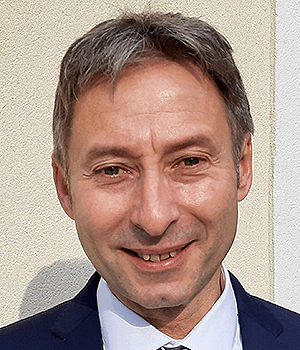
Robert W. Boyd
University of Rochester, Rochester, NY, USA
University of Ottawa, Ottawa, ON, Canada
boydrw@mac.com
Biography:
Robert W. Boyd is one of the world's leading researchers in optics and photonics. He serves as Canada Excellence Research Chair in Quantum Nonlinear Optics at the University of Ottawa and Professor of Physics at the University of Rochester. His research has advanced our understanding of nonlinear and quantum optical phenomena, including slow and fast light, quantum imaging, and quantum communication. Author of the seminal textbook Nonlinear Optics, Professor Boyd has published more than 550 scientific articles, holds ten patents, and has played a major leadership role in the optics community through service to APS, Optica, Physical Review Letters, and Science. His contributions have had a lasting impact on both fundamental science and photonic technologies.
Abstract:
In this presentation, I review research on the following related topics: (1) the enhanced nonlinear optical response of composite materials (metamaterials) for both all-dielectric and plasmonic structures; (2) the unusually large nonlinear optical response of transparent conducting oxides (TCOs) when used near the wavelength where the dielectric permittivity vanishes (the ENZ condition); and (3) the nonlinear photonic properties of plasmonic and dielectric metasurfaces.
-
Quantum Engineering of Strong Field Physics
-

Thomas Brabec
Department of Physics, University of Ottawa, Ottawa, ON, Canada
brabec@uOttawa.ca
Biography:
Thomas Brabec received his PhD in 1992 and his Habilitation in 1997 from the Vienna University of Technology. Since 2002, he has been a Professor in the Department of Physics at the University of Ottawa and a Canada Research Chair in Ultrafast Photonics.
His research expertise lies in ultrafast science, nonlinear optics, quantum and classical dynamics, and strong-field dynamics in gases and solids. He has authored more than 200 peer-reviewed publications in these areas, which have received broad international recognition.
Abstract:
Strong field physics started in atomic and molecular physics and extended over the past decade to material science. While atoms are isolated systems, in solids many-body effects due to the interaction with the environment have to be considered. As full many-body treatments are extremely challenging, this is usually done by defining an effective dephasing time T2 within the relaxation time approximation. However, the relaxation time approximation causes “dephasing ionization”, resulting in an unphysical enhancement of ionization by up to orders of magnitude. As such, a more sophisticated model is needed that ideally maintains simplicity and wide applicability of the relaxation time approximation.
In the first part, such a (spin-boson) model will be introduced, based on a coupling between electron and a bosonic harmonic oscillator heat bath. The heat bath can accurately represent phonons, and collective electronic excitations, such as excitons, and plasmons. A parameters scan reveals that the unphysical aspects of dephasing ionization disappear; only in exotic materials with strong heat bath coupling novel ionization effects are predicted.
In the second part, we recognize that light can also serve as a heat bath, with the advantage that nature and strength of the coupling can be controlled by pulse energy and photon distribution. Specifically, two-color experiments are discussed with a moderately intense classical laser pulse, and a perturbative quantum field, such as bright squeezed vacuum (BSV), acting as a “quantum heat bath”. Very moderate BSV fields are found to enhance ionization and HHG by orders of magnitude, thus allowing control of fundamental strong field processes. The lower required intensities remedy a key weakness of strong laser fields; that they distort the very processes they are meant to measure.
In the last part, the quantum properties of harmonic radiation generated by a superposition of classical and perturbative quantum fields are discussed. The central idea is to transfer quantum properties from the perturbative quantum field to the harmonic pulse, thus shifting the generation of quantum pulses from the infrared into the XUV. We show how the entanglement between quantum beam and harmonics can be harnessed to create a variety of non-classical states commonly used in quantum information science, such as high purity single photon states, Schrödinger cat states, and photon added squeezed vacuum states. This opens a path towards engineering the quantum properties of ultrashort high harmonics.
-
High-power Single-Frequency Multimode Fiber Laser Amplifiers
-

Hui Cao
Department of Applied Physics, Yale University, New Haven, CT, USA
hui.cao@yale.edu
Biography:
Hui Cao is the John C. Malone Professor of Applied Physics, a Professor of Physics, and a Professor of Electrical Engineering at Yale University. She received her Ph.D. degree in Applied Physics from Stanford University in 1997. Prior to joining the Yale faculty in 2008, she was on the faculty of Northwestern University for ten years.
Her technical interests and activities are in the areas of mesoscopic physics, complex photonic materials and devices, nanophotonics, and biophotonics. Cao is a Fellow of IEEE, AAAS, APS, and OSA, and an elected member of the National Academy of Sciences and the American Academy of Arts and Sciences.
Abstract:
High-power fibre lasers are powerful tools used in science, industry, and defence. A major roadblock for further power scaling of single-frequency fibre laser amplifiers is stimulated Brillouin scattering. Efforts have been made to mitigate this nonlinear process, but these were mostly limited to single-mode or few-mode fibre amplifiers, which have good beam quality.
Recently, we explored a highly multimode fibre amplifier in which stimulated Brillouin scattering was greatly suppressed due to a reduction of light intensity in a large fibre core and a broadening of the Brillouin scattering spectrum by multimode excitation. By applying a spatial wavefront-shaping technique to the input light of a nonlinear amplifier, the output beam was focused to a diffraction-limited spot.
Our multimode fibre amplifier can operate at high power with high efficiency and narrow linewidth, which ensures high coherence. Optical wavefront shaping enables coherent control of multimode laser amplification, with potential applications in coherent beam combining, large-scale interferometry, and directed energy delivery.
-
Quantum Metrology for Open Systems
-
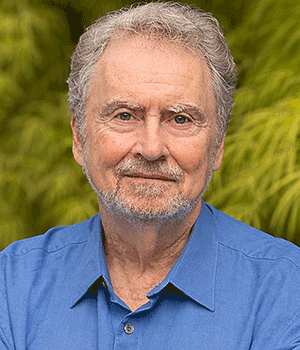
Luiz Davidovich
Federal University of Rio de Janeiro, Rio de Janeiro, Brazil
Institute for Quantum Science and Engineering, Texas A&M University, College Station, TX, USA
ldavid@if.ufrj.br
Biography:
Luis Davidovich's research focuses on the dynamics of open quantum systems, combining theoretical and experimental approaches with applications in cavity quantum electrodynamics and quantum metrology. He obtained his PhD from the University of Rochester, and has since concentrated on quantum optics and quantum information. He is currently Emeritus Professor of Physics at the Federal University of Rio de Janeiro.
He was awarded the Grand Cross of the Brazilian National Order of Scientific Merit in 2000 and received Brazil's most prestigious scientific distinction, the Admiral Álvaro Alberto Prize, from the National Research Council (CNPq) in 2010. He was also awarded the Physics Prize of The World Academy of Sciences (TWAS) in 2001 and, more recently, the Willis Lamb Award and the TWAS Apex Award in 2025.
Luis Davidovich is a member of the Brazilian Academy of Sciences, where he served as President from 2016 to 2022, and of TWAS, where he was Secretary-General from 2019 to 2022. He is an international member of the U.S. National Academy of Sciences, the European Academy of Sciences, and the Chinese Academy of Sciences. He is also a Fellow of Optica and of the American Physical Society.
Abstract:
Quantum sensors are employed to estimate parameters with higher precision than classical sensors. For noiseless systems, the Cramér–Rao bound, which links estimation uncertainty to Fisher information, serves as a useful benchmark. Extending this bound to open systems has been proposed and applied to several key systems [1–4], a relevant generalization considering the widespread presence of the environment. Entanglement can then play a crucial role despite its fragility [5,6]. Interestingly, when the estimated parameter pertains to noise itself [7–9], the vulnerability of entanglement may actually enhance precision [8]. This talk reviews recent advances in this area, resulting in precision bounds for noisy systems, with applications such as estimating light absorption and depolarization.
- B M Escher, R L de Matos Filho, and L Davidovich, Nat. Phys. 7, 406–411 (2011). DOI: 10.1038/nphys1958.
- B M Escher, L Davidovich, N Zagury, and R L de Matos Filho, Phys. Rev. Lett. 109, 190404 (2012). DOI: 10.1103/PhysRevLett.109.190404.
- M M Taddei, B M Escher, L Davidovich, and R L de Matos Filho, Phys. Rev. Lett. 110, 050402 (2013). DOI: 10.1103/PhysRevLett.110.050402.
- C L Latune, B M Escher, R L de Matos Filho, and L Davidovich, Phys. Rev. A 88, 042112 (2013). DOI: 10.1103/PhysRevA.88.042112.
- M P Almeida, F de Melo, M Hor-Meyll, A Salles, S P Walborn, P H Souto Ribeiro, and L Davidovich, Science 316, 579-582 (2007). DOI: 10.1126/science.1139892.
- L Aolita, R Chaves, D Cavalcanti, A Acín, and L Davidovich, Phys. Rev. Lett. 100, 080501 (2008). DOI: 10.1103/PhysRevLett.100.080501.
- J Wang, L Davidovich, and G S Agarwal, Phys. Rev. Research 2, 033389 (2020). DOI: 10.1103/PhysRevResearch.2.033389.
- L Davidovich and R L de Matos Filho, Phys. Rev. A 108, 042612 (2023). DOI: 10.1103/PhysRevA.108.042612.
- J Wang, R L de Matos Filho, G S Agarwal, and L Davidovich, Phys. Rev. Research 6, 013034 (2024). DOI: 10.1103/PhysRevResearch.6.013034.
-
Complex Bands and Topology with Coupled Lasers
-
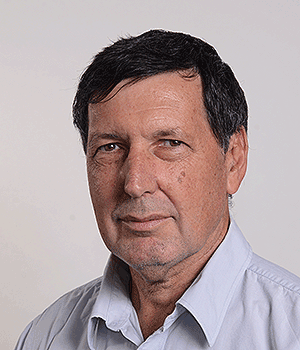
Nir Davidson
Weizmann Institute, Rehovot, Israel
nir.davidson@weizmann.ac.il
Biography:
Prof. Nir Davidson joined the Weizmann Institute's Department of Physics of Complex Systems in 1994. He served as Head of the Department of Complex Systems (2010–2015) and as Dean of the Faculty of Physics, as well as Director of the André Deloro Institute for Space and Optics Research and the Center for Experimental Physics (2015–2021). He is the Head of the Crown Photonics Center and AMOS Domain, and the incumbent of the Peter and Carola Kleeman Professorial Chair of Optical Sciences. He was elected Vice-Chair of the Scientific Council in 2022 and Chair of the Scientific Council in 2024.
Prof. Davidson conducts research on laser physics and ultra-cold atomic physics. The behaviour of matter at less than a millionth of a degree above absolute zero is governed by the principles of quantum mechanics. At such temperatures, particles may combine into a new state of matter known as a Bose–Einstein condensate (BEC), in which quantum behaviour can be observed on a macroscopic scale. His work focuses on manipulating atomic motion using lasers and applying this control to atomic traps that induce the BEC state, as well as on the use of such techniques for precision measurements of quantum phenomena. His long-term aim is to establish ultra-cold atoms as a tool for studying the transition from classical, Newtonian physics to quantum, nonlinear dynamics.
Born in Ashkelon, Israel, in 1962, Prof. Davidson received a BSc from the Hebrew University of Jerusalem in 1982, an MSc from the Technion – Israel Institute of Technology in 1988, and a PhD from the Weizmann Institute of Science in 1993. This was followed by two years as a research fellow at Stanford University.
He is the recipient of the F.W. Bessel Award from the Alexander von Humboldt Foundation (2002), the Yosefa and Leonid Alshwang Prize for Physics from the Israel Academy of Sciences and Humanities (1998), the Morris L. Levinson Prize in Physics, and the Rosa and Emilio Segrè Research Award, both awarded by the Weizmann Institute's Scientific Council (2001). He was elected a Fellow of the Optical Society of America (2011) and a Fellow of the American Physical Society (2022). From 2007 to 2011, he served as President of the Israeli Laser and Electro-Optics Society.
Abstract:
Complex coupling in periodic laser arrays leads to complex bands, where the real part corresponds to the dispersion relation of the band w(k) and the imaginary part corresponds to k-dependent loss. By precisely tuning the complex coupling and the array geometry, we engineer the complex bands to generate unique topological lasing states. We demonstrate how lasing at Dirac points in a hexagonal laser lattice can lead to Klein tunnelling of coherence through a barrier, and how complex Hermitian coupling can generate artificial gauge fields and edge states. Finally, we characterize the effects of quenched disorder and hint at KT physics in coupled laser arrays.
-
What Can We Learn from Attosecond Pulses?
-

Louis F. DiMauro
Department of Physics, The Ohio State University, Columbus, OH, USA
dimauro.6@osu.edu
Biography:
Louis F. DiMauro is Professor of Physics and Hagenlocker Chair at The Ohio State University. He received his BA (1975) from Hunter College, CUNY, and his PhD from the University of Connecticut in 1980. He was a postdoctoral fellow at Stony Brook University before arriving at AT&T Bell Laboratories in 1981. He joined the staff at Brookhaven National Laboratory in 1988, rising to the rank of Senior Scientist. In 2004, he joined the faculty at The Ohio State University along with his colleague Pierre Agostini (2023 Nobel Prize in Physics). He was awarded the 2004 BNL/BSA Science & Technology Prize, the 2012 OSU Distinguished Scholar Award, the 2013 OSA Meggers Prize, and the 2017 APS Schawlow Prize in Laser Science. He is a Fellow of the American Physical Society, Optica, and the American Association for the Advancement of Science. He is currently the Director of the Institute for Optical Science and Co-Director of the NSF NeXUS facility and the OSU Chemical Physics graduate programme. He has served on numerous national and international committees and government panels, served as the 2010 APS DAMOP Chair, as Vice-Chair of the NAS CAMOS Committee, and on the NAS Board of Physics and Astronomy. His research interests are in experimental ultrafast and strong-field physics. In 1993, he and his collaborators introduced the widely accepted semiclassical model in strong-field physics. His current work is focused on the generation, measurement, and application of attosecond X-ray pulses, the study of fundamental scaling of strong field physics, and applications of X-ray free-electron lasers.
Abstract:
The genesis of light pulses with attosecond (10-18 seconds) durations signifies a new frontier in time-domain physics. This achievement was recognised by the 2023 Nobel Prize in Physics awarded to Agostini, Krausz, and L'Huillier. The scientific impact is obvious: the timescale necessary for probing the motion of electron(s) in the ground state is attoseconds (atomic unit of time ≈ 24 as). In the first part of the talk, I will describe the underlying attosecond dynamics that emerge when an atom interacts with an intense optical field. This will be framed in the context of the well-established semiclassical 3-step model of strong-field physics.
The second part of the talk will focus on a novel experiment that emphasizes how these pulses can be applied to access unique physics. Feynman taught us that the outcome of a quantum process is dictated by the sum over all the quantum trajectories that contribute to it. Naturally, when analysing experiments, we often refer to these individual trajectories even though they have not been measured individually. Here I will describe a fully functioning Quantum Trajectory Selector (QTS) method that allows us to directly measure the outcome of "single" trajectories that, summed together, make up a quantum process. Our QTS operates in the strong-field domain, where the simple semiclassical model mentioned above is ubiquitously used to describe individual quantum trajectories. In the QTS method, attosecond pulse trains are used in a reverse-engineering scheme to study strong-field physics with exquisite and selective control of the initial conditions beyond conventional experiments, thus allowing direct timing of recollision processes, both elastic and inelastic, with attosecond resolution.
-
Laser Spectroscopy of the 229mTh Nuclear Clock Transition
-
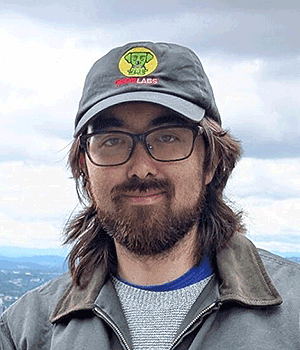
Ricky Elwell
University of California, Los Angeles (UCLA), Los Angeles, CA, USA
rickytoshi469@g.ucla.edu
Abstract:
What happens when quantum simulations become cold enough to surprise us? So far, quantum simulations have primarily served as impressive proof-of-principle demonstrations, realizing a wide range of many-body quantum phases. However, temperatures have remained too high to truly access uncharted regimes relevant to strongly correlated quantum materials.
In this talk, we will present a recent breakthrough in which we use an ultracold-atom realization of the Fermi–Hubbard model to explore pseudogap and stripe physics in the doped regime. By achieving a several-fold reduction in temperature, we enter a new regime and observe, unexpectedly, a pronounced peak in the compressibility near 1/8 doping. This feature appears to separate a conventional metallic phase from a pseudogap phase, which we identify by measuring characteristic signatures of the pseudogap in the excitation spectrum.
Ongoing work studies the onset of stripe formation. High-precision measurements of spin correlations reveal the formation of ‘antiphase domains’ of antiferromagnetism characteristic of spin stripes. We also observe an enhanced tendency to break rotational symmetry, compatible with a state of fluctuating stripes.
Altogether, this work represents a key advance in quantum simulation: it demonstrates that we can now address central open questions in condensed matter physics using controlled experiments in regimes that lie at the frontier of classical numerical methods.
-
Quantum Simulation of the Unknown: Observation of Pseudogap Physics and Stripes in the Fermi–Hubbard Model
-
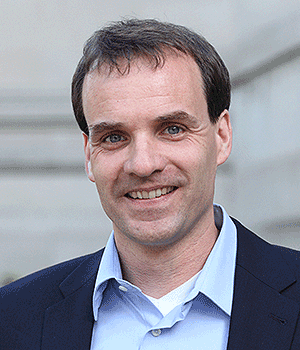
Markus Greiner
Department of Physics, Harvard University, Cambridge, MA, USA
-
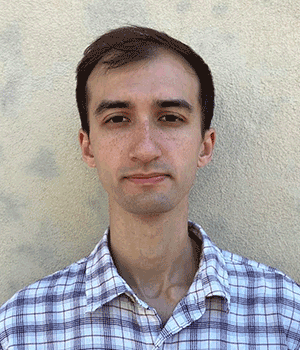
Lev Haldar Kendrick
MIT-Harvard Center for Ultracold Atoms, Harvard University, Cambridge, MA, USA
lkendrick@g.harvard.edu
Abstract:
The 229mTh nuclear isomeric state has the lowest energy of all known nuclear excited states, placing it within the reach of current table-top laser technology. This extraordinary property, combined with its long lifetime, should allow for the construction of an optical nuclear clock of incredibly high precision and accuracy, capable of probing the variability of the fundamental constants. Beyond its use in clock systems, the isomer serves as a sensitive probe of its solid-state environment.
We will discuss the first direct excitation of the 229Th isomer in a LiSrAlF6 environment, and the laser system used for the excitation spectroscopy. The determination of the isomeric transition energy to spectroscopic precision has opened the door to a new generation of experiments probing the isomer’s behavior in solid-state hosts, including the first instance of laser-induced conversion electron Mössbauer spectroscopy (CEMS) in ThO2. We will also discuss our efforts to synthesize new Th-containing compounds, as the field pushes forward to determine the ideal host material for the solid-state nuclear clock. These studies represent a rapidly growing interdisciplinary field that pulls in distinct concepts from nuclear physics, quantum chemistry, materials science, condensed matter physics, and AMO physics.
-
Where Does Quantum Optics Go Next?
-
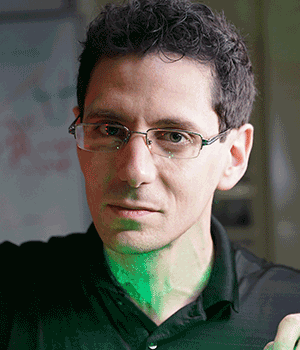
Ido Kaminer
Department of Electrical and Computer Engineering, Technion – Israel Institute of Technology, Haifa, Israel
kaminer@technion.ac.il
Biography:
Prof. Kaminer is the Pollak Chair Professor at the Technion. During his PhD, he discovered new classes of accelerating optical beams, for which he received the 2014 American Physical Society (APS) Award for Outstanding Doctoral Dissertation in Laser Science. Prof. Kaminer was the first Israeli to win an APS award for his PhD thesis.
As a postdoc at MIT, he established the foundations of macroscopic quantum electrodynamics (MQED) for photonic quasiparticles and used it to enable forbidden electronic transitions in atoms. As a faculty member, Prof. Kaminer created a paradigm shift in the understanding of free-electron radiation, connecting it to the field of quantum optics and establishing the area now known as free-electron quantum optics. He performed the first experiment on electron microscopy with non-classical light, demonstrating that the quantum statistics of photons can be imprinted on the electron.
For his achievements as a faculty member, Prof. Kaminer was elected to the Israeli Young Academy, which includes 30 young Israeli faculty members below the age of 45. He has won multiple awards and grants, including ERC Starter and Consolidator Grants, the Moore Foundation grant, and the 2022 Schmidt Science Polymath Award. Prof. Kaminer is the laureate of the 2021 Krill Prize, the 2021 Blavatnik Award in Physical Sciences & Engineering in Israel, and the 2022 Adolph Lomb Medal, the top international award for a young scientist (age 35 or younger) in the field of optics. He was selected for the 2023 Lem European Research Prize, the 2024 ACS Photonics Young Investigator Award, and the 2026 Stanford Science Visiting Professorship.
Abstract:
Historically, quantum optics was shaped by the study of a few photons and their interactions with exquisitely controllable quantum systems, such as trapped atoms, cavities, and later quantum dots. In that setting, quantum optics became both a toolbox and a language: a framework for generating nonclassical states, engineering light–matter interactions, and describing coherence, squeezing, entanglement, and measurement with remarkable precision.
In recent years, however, quantum-optical concepts have begun to penetrate strong-field experiments, Floquet-driven non-equilibrium condensed-matter systems, and complex many-body platforms. This development raises a basic question: are there still conceptual advances to be made at the core of quantum optics?
In this talk, I will argue that quantum optics is entering a new phase, in which quantum mechanics is being brought into systems and scales long regarded as essentially classical. I will discuss several emerging frontiers through recent theoretical and experimental works. One example is free-electron quantum optics, where we recently introduced the first Bell-test protocol for free-electron pairs and proposed schemes in which electron entanglement can enhance spectroscopy and microscopy. A second example is X-ray quantum optics, where progress is still constrained by the weakness of X-ray nonlinearities. I will present a new direction based on quantum optomechanics with X-ray photons. I will conclude with a broader perspective on many-body quantum optics, where we have found special regimes in which even highly disordered quantum systems can sustain unexpectedly long-lived collective “supercoherence.”
Together, these examples suggest that quantum optics is far from complete: its next conceptual breakthroughs may emerge precisely from pushing it into domains where quantum behavior was least expected.
-
Optical Computing: Principles, Examples, and Prospects
-

Peter McMahon
Cornell University, Ithaca, NY, USA
pmcmahon@cornell.edu
Biography:
Peter McMahon is an Associate Professor of Applied & Engineering Physics at Cornell University. He received his Ph.D. in Electrical Engineering from Stanford University in 2014, where he also performed his postdoctoral training in Applied Physics until starting as a faculty member at Cornell in 2019. He has received Packard and Sloan Fellowships and is the recipient of the Lomb Medal from Optica.
Abstract:
In this talk I will discuss how optics could in principle be used to perform some computations faster or more energy efficiently than is possible with electronics, as well as the caveats and challenges. To illustrate the principles, I will highlight various examples of theoretical proposals and experimental demonstrations from our community, showing how they aim to gain an advantage over electronics.
-
Spin-Selective Coherent Light Scattering from Ion Crystals and Towards Scalable Quantum Computing
-
Ferdinand Schmidt-Kaler
QUANTUM, Institut für Physik, Universität Mainz, Mainz, Germany
fsk@uni-mainz.de
Biography:
https://physics.uni-mainz.de/profile-page-ferdinand-schmidt-kaler/
Abstract:
We are fascinated by the intriguing features of quantum light. Thus, we study collective light scattering off a linear crystal of 40Ca+ ions, each ion acting as a coherent single photon emitter. The scattered intensity is recorded in the far field, featuring the interference of emitted light [1-4]. Furthermore, we demonstrate spin-dependent scattering and unveil the time evolution of a previously encoded spin texture [5]. In future, we plan to detect projectively generated entanglement in larger ion crystals.
This research is closely connected with the challenges on the way to scalable quantum computers with trapped ion qubits, and I will describe these challenges on the way to scalable, eventually fault tolerant quantum computers [6]. Efforts from physics, informatics [7,8] and mathematics, but also engineering [9], are concentrated in demonstrator setups. As a first glance into the power of quantum computing, I will describe a couple of use cases. This includes the VQE simulation of a two-flavor Schwinger quark model executed on a trapped-ion quantum processor [10], and, by extending the toolset of quantum operations, the investigation of circuits that realize quantum thermodynamic processes [11-13].
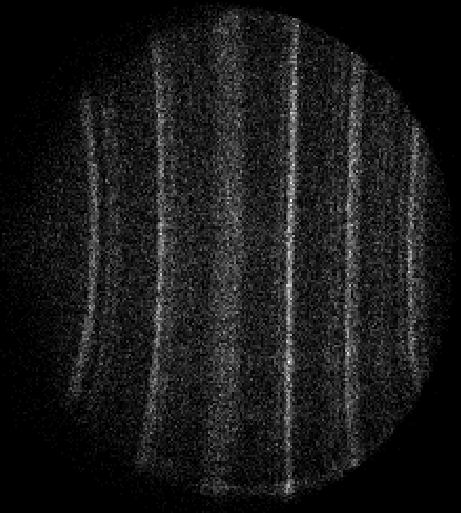
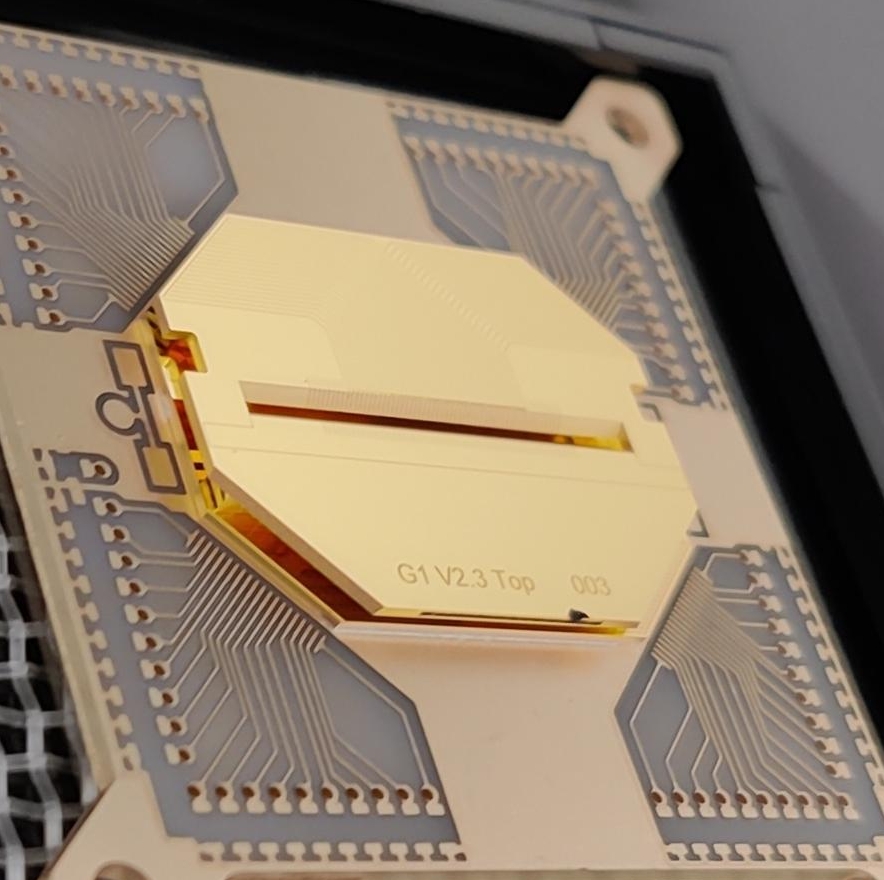
Left: Linear crystal of 6 ions observed in the far field and featuring interference fringes. Right: Trap chip for quantum computing fabricated by selective laser etching. - F Schmidt-Kaler and J von Zanthier, Collective Light emission of ion crystals in correlated Dicke states, in Photonic Quantum Technologies - Science and Applications, ISBN: 978-3-527-41412-3, Wiley-VCH, Berlin.
- S Richter, S Wolf, J von Zanthier, and F Schmidt-Kaler, Phys. Rev. Research 5, 013163 (2023). DOI: 10.1103/PhysRevResearch.5.013163.
- S Richter, S Wolf, J von Zanthier, and F Schmidt-Kaler, Phys. Rev. Lett. 126, 173602 (2021). DOI: 10.1103/PhysRevLett.126.173602.
- S Wolf, S Richter, J von Zanthier, and F Schmidt-Kaler, Phys. Rev. Lett. 124, 063603 (2020). DOI: 10.1103/PhysRevLett.124.063603.
- M Verde, A Schaefer, B Zenz, Z Shehata, S Richter, C T Schmiegelow, J von Zanthier, and F Schmidt-Kaler, Phys. Rev. A 112, 043719 (2025). DOI: 10.1103/7bd7-4trn.
- J Hilder, D Pijn, O Onishchenko, A Stahl, M Orth, B Lekitsch, A Rodriguez-Blanco, M Müller, and F Schmidt-Kaler, Phys. Rev. X 12, 011032 (2022). DOI: 10.1103/PhysRevX.12.011032.
- F Kreppel, C Melzer, D Olvera Millán, J Wagner, J Hilder, U Poschinger, F Schmidt-Kaler, and A Brinkmann, Quantum 7, 1176 (2023). DOI: 10.22331/q-2023-11-08-1176.
- J Durandeau, J Wagner, F Mailhot, C-A Brunet, F Schmidt-Kaler, U Poschinger, and Y Bérubé-Lauzière, Quantum 7, 1175 (2023). DOI: 10.22331/q-2023-11-08-1175.
- V Kaushal, B Lekitsch, A Stahl, J Hilder, D Pijn, C Schmiegelow, A Bermudez, M Müller, F Schmidt-Kaler, and U Poschinger, AVS Quantum Sci. 2, 014101 (2020). DOI: 10.1116/1.5126186.
- C Melzer, S Schuster, D A Olvera Millán, J Hilder, U Poschinger, K Jansen, and F Schmidt-Kaler, arXiv: 2504.20824.
- E J Fox, M Herrera, F Schmidt-Kaler, and I D’Amico, Entropy 26(11), 952 (2024). DOI: 10.3390/e26110952.
- O Onishchenko, G Guarnieri, P Rosillo-Rodes, D Pijn, J Hilder, U G Poschinger, M Perarnau-Llobet, J Eisert, and F Schmidt-Kaler, Nat. Commun. 15, 6974 (2024). DOI: 10.1038/s41467-024-51263-3.
- A Stahl, M Kewming, J Goold, J Hilder, U G Poschinger, and F Schmidt-Kaler, arXiv: 2404.14838.
-
Positron Acceleration with Transition Radiation Driven by Ultra Intense Laser at SULF and SEL
-
Baifei Shen
ShanghaiTech University, Shanghai, China
Shanghai Normal University, Shanghai, China
bfshen@shnu.edu.cn
Abstract:
We report our progress on positron generation and acceleration. We proposed a scheme that utilizes laser-driven electrons to produce, inject, and accelerate positrons in a single setup. A high-density gas jet is employed experimentally to generate from several to hundred MeV electrons with high charge above 100 nC. Thus, positron beam with high charge is obtained during the laser-accelerated electrons irradiating high-Z solid targets [1].
The high-charge electron beam creates copious electron–positron pairs via the Bethe–Heitler process, followed by enormous coherent transition radiation due to the electrons exiting from the metallic foil [2]. This intense transition radiation accelerates and focuses the positrons efficiently. Since the intensity of the coherent transition radiation scales to the square of the electron charge number, this scheme is extremely effective for 10–100 PW laser.
We discuss the use of a channel to guide the transition radiation [3,4]. We propose to use diffraction radiation to extract the energy from the electron beam more efficiently [5]. This new method has been demonstrated with a 10 PW laser at SULF [6]. We are planning experiments with the 50 PW laser at SEL@SHINE in Shanghai. Other experimental plans at SEL@SHINE are also introduced.
- T Xu, B Shen, J Xu, S Li, Y Yu, J Li, X Lu, C Wang, X Wang, X Liang, Y Leng, R Li, and Z Xu, Phys. Plasmas 23, 033109 (2016). DOI: 10.1063/1.4943280.
- Z Xu, L Yi, B Shen, J Xu, L Ji, T Xu, L Zhang, S Li, and Z Xu, Commun. Phys. 3, 191 (2020). DOI: 10.1038/s42005-020-00471-6.
- L Yi, B Shen, L Ji, K Lotov, A Sosedkin, X Zhang, W Wang, J Xu, Y Shi, L Zhang, and Z Xu, Sci. Rep. 4, 4171 (2014). DOI: 10.1038/srep04171.
- Z Xu, B Shen, M Si, and Y Huang, New J. Phys. 25, 063013 (2023). DOI: 10.1088/1367-2630/acdc47.
- Y Ye, Z Xu, L Yi, C Sui, X Zhang, and B Shen, Sci. China Phys. Mech. Astron. 69, 255211 (2026). DOI: 10.1007/s11433-025-2897-9.
- T Xu et al., to be submitted.
-
Quantum Simulation and Sensing with Photon-Mediated Interactions
-
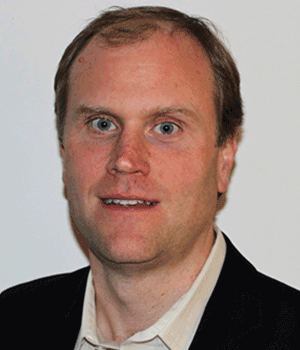
James K. Thompson
JILA and Department of Physics, University of Colorado, Boulder, CO, USA
jkt@jila.colorado.edu
Biography:
Prof. James K. Thompson is a Professor in the Department of Physics at the University of Colorado, a Fellow of JILA, and a Fellow of the American Physical Society. Before moving to JILA in 2006, Prof. Thompson completed his undergraduate work at Florida State University on accelerator-based laser spectroscopy of highly charged ions for testing QED. He then completed his PhD at MIT with David Pritchard on single-ion mass measurements and the most precise direct test of E = mc2, for which he was recognised with the APS DAMOP Thesis Prize. He subsequently carried out postdoctoral research with Vladan Vuletić at MIT on quantum memories and photon-pair generation using laser-cooled atoms. At JILA, Prof. Thompson's research focuses on cavity QED using rubidium and strontium atoms, with topics including the generation of highly entangled states, superradiant lasers, quantum simulation, nonclassical light generation, matter-wave interferometry, and optical clocks.
Abstract:
Photons bouncing back and forth many times between highly reflecting mirrors provide a novel way to mediate interactions between laser-cooled atoms held between the mirrors. Such cavity-mediated interactions provide a unique set of tools for both quantum sensing and simulation. In this talk, I will discuss our efforts to sculpt these interactions in order to expand the palette of cavity-mediated interactions that can be realized [1]–[7].
As two examples, we have harnessed these interactions to realize entanglement-enhanced sensitivity in two leading quantum sensing platforms, matter-wave interferometers [8] and optical clocks [9], with future applications to new-physics searches as well as practical timing and navigation technologies.
- D J Young, A Chu, E Y Song, D Barberena, D Wellnitz, Z Niu, V M Schäfer, R J Lewis-Swan, A M Rey, and J K Thompson, Nature 625, 679–684 (2024). DOI: 10.1038/s41586-023-06911-x.
- D J Young, E Y Song, A Chu, D Barberena, Z Niu, V M Schäfer, R J Lewis-Swan, A M Rey, and J K Thompson, Phys. Rev. Lett. 134, 183404 (2025). DOI: 10.1103/PhysRevLett.134.183404.
- C Luo, H Zhang, A Chu, C Maruko, A M Rey, and J K Thompson, Nat. Phys. 21, 916–923 (2025). DOI: 10.1038/s41567-025-02866-0.
- C Luo, H Zhang, C Maruko, E A Bohr, A Chu, A M Rey, and J K Thompson, Science 390, 925–929 (2025). DOI: 10.1126/science.adv0990.
- C Luo, H Zhang, V P W Koh, J D Wilson, A Chu, M J Holland, A M Rey, and J K Thompson, Science 384, 551–556 (2024). DOI: 10.1126/science.adi1393.
- Z Niu, V M Schäfer, H Zhang, C Wagner, N R Taylor, D J Young, E Y Song, A Chu, A M Rey, and J K Thompson, Phys. Rev. Lett. 134, 113403 (2025). DOI: 10.1103/PhysRevLett.134.113403.
- E Y Song, D Barberena, D J Young, E Chaparro, A Chu, S Agarwal, Z Niu, J T Young, A M Rey, and J K Thompson, Sci. Adv. 11, eadu5799 (2025). DOI: 10.1126/sciadv.adu5799.
- G P Greve, C Luo, B Wu, and J K Thompson, Nature 610, 472–477 (2022). DOI: 10.1038/s41586-022-05197-9.
- J M Robinson, M Miklos, Y M Tso, C J Kennedy, T Bothwell, D Kedar, J K Thompson, and J Ye, Nat. Phys. 20, 208–213 (2024). DOI: 10.1038/s41567-023-02310-1.
-